Animal Spaces.
Aquariums · Water · Aquascaping

Building a freshwater aquarium that lasts

The nitrogen cycle, aquascape construction and stocking that lasts — written from university extension material and aquatic veterinary sources, in three languages.

Diagram of the nitrogen cycle in a planted freshwater aquarium

The tank is a filter with fish in it

Almost every beginner loss has the same cause, and it is not bad luck or a weak fish. It is ammonia produced faster than the bacteria in the filter can process it, in a tank that was stocked before those bacteria existed. The equipment was never the problem.

Animal Spaces starts there and works outward: what the cycle is and how to run one without animals in the tank, how the main aquascaping styles are built, and how to choose fish whose adult size, shoal requirements and temperament are compatible with each other and with the tank you actually own.

Latest articles
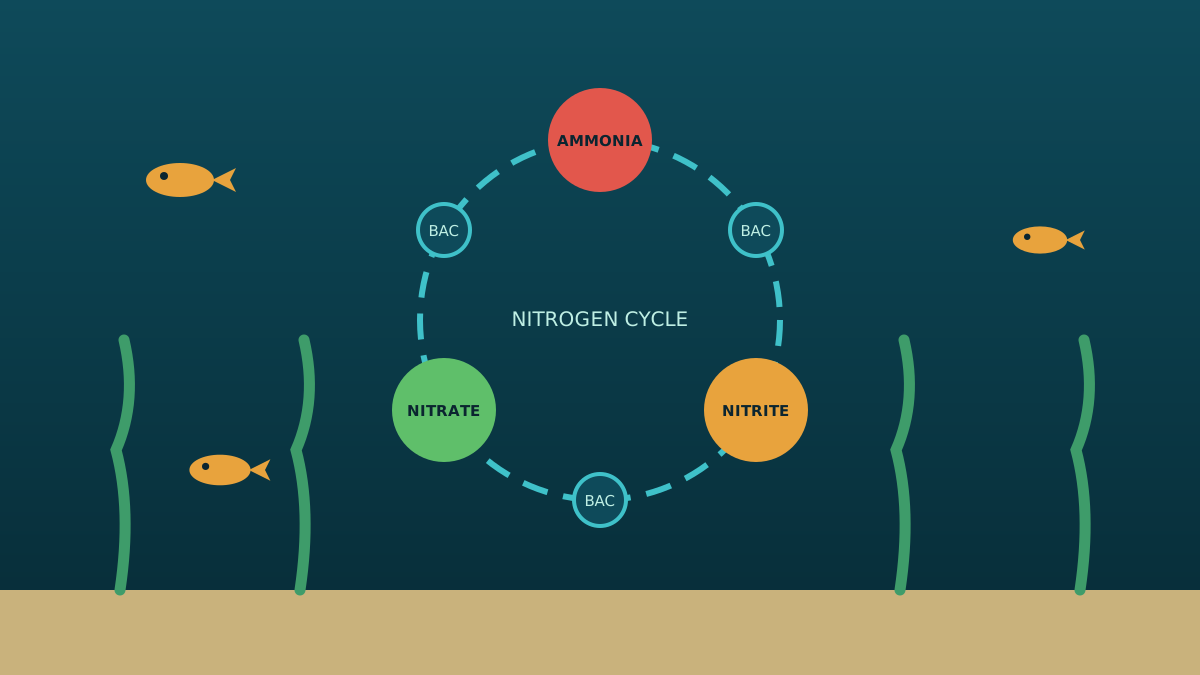
Diagram of the nitrogen cycle in a planted freshwater aquarium
The Nitrogen Cycle: Why a New Aquarium Needs Weeks Before FishAmmonia, nitrite, nitrate and the bacteria that link them. How to cycle a tank properly and why patience prevents most beginner losses.
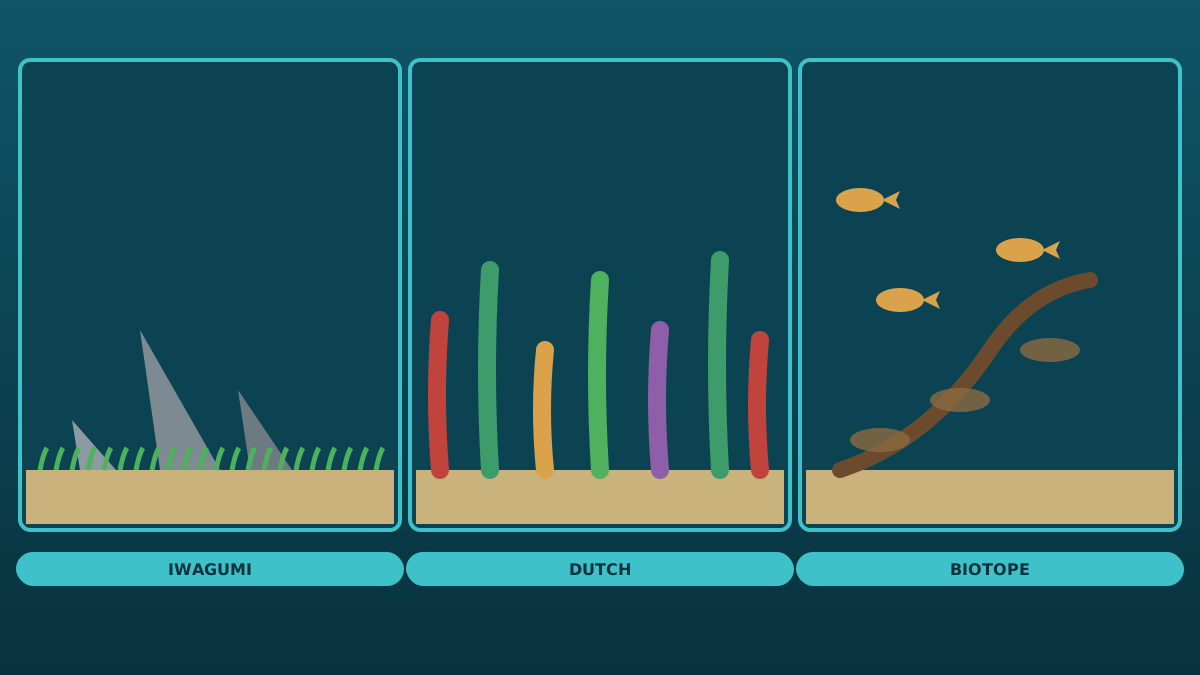
Three aquascape layouts compared: Iwagumi stones, Dutch plant terraces and a biotope tank
Aquascaping Styles: Nature, Iwagumi, Dutch and BiotopeThe four main aquascaping styles, the rules behind each layout, and how to choose one that suits your tank and your patience.
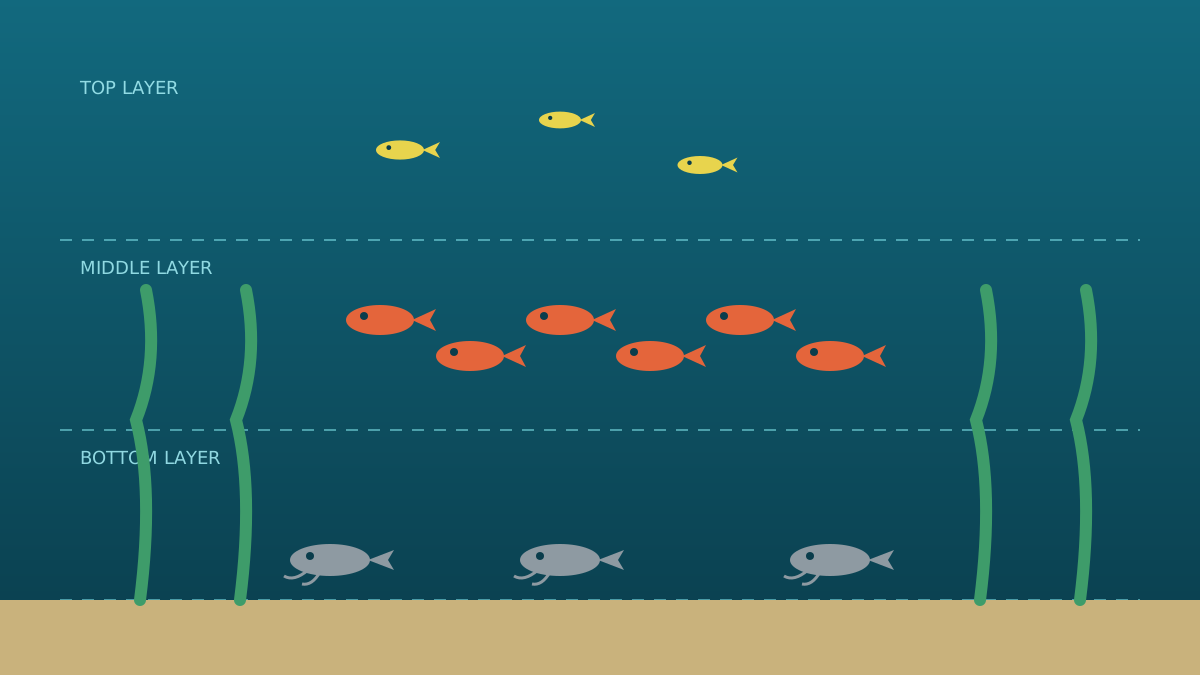
Community aquarium showing fish occupying top, middle and bottom water layers
Stocking a Community Tank Without RegretShoal sizes, water layers, temperament and adult size: how to choose fish that live well together instead of merely surviving.

Where the information comes from

Aquarium advice online is dominated by shops and forums, which is why so much of it is wrong in the same ways. The articles here are built from university extension material, aquatic veterinary organisations and researcher-maintained species databases, named at the foot of each page. The rules we follow are in the editorial policy, and about explains who is writing.